Melbourne Design Week 2026
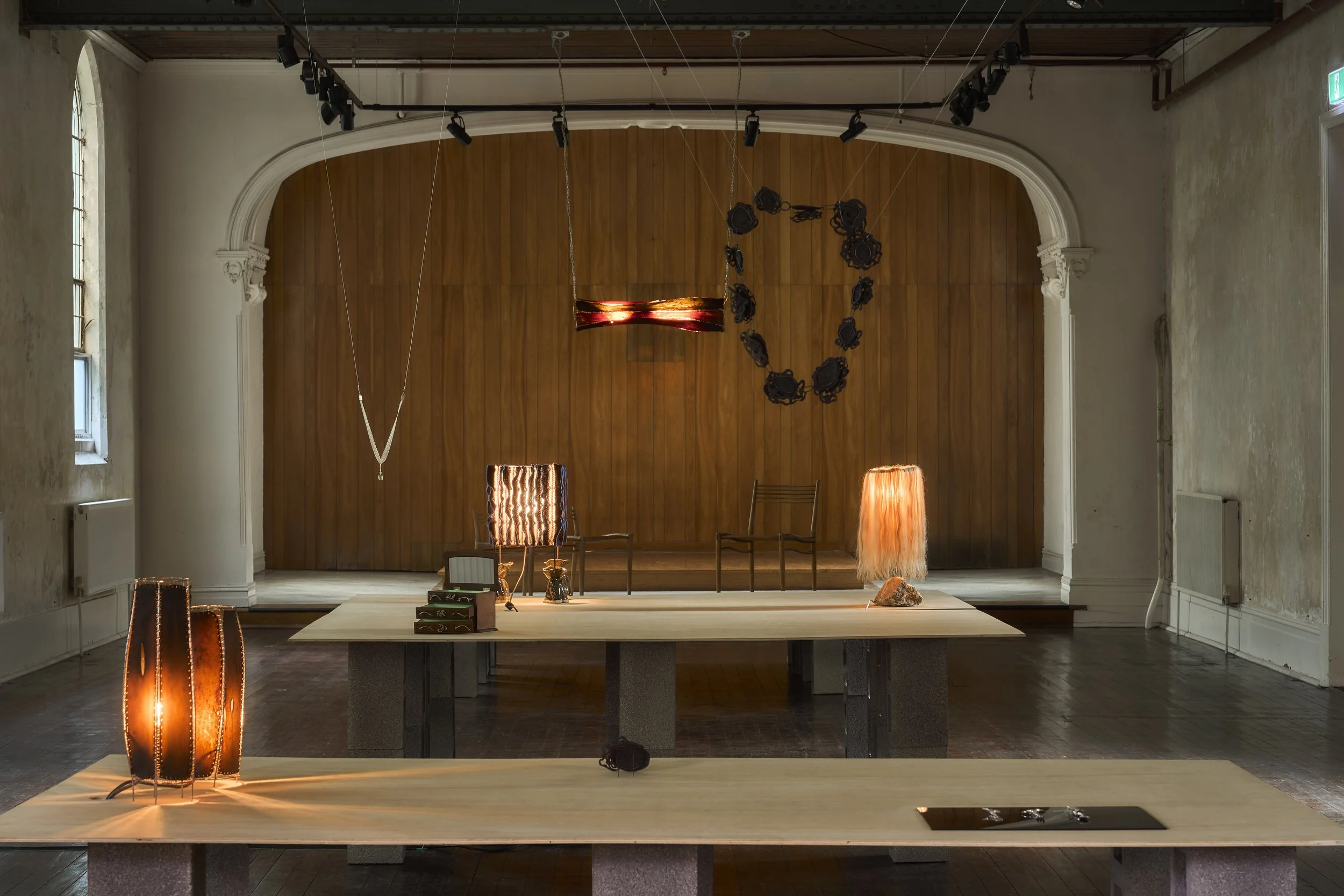
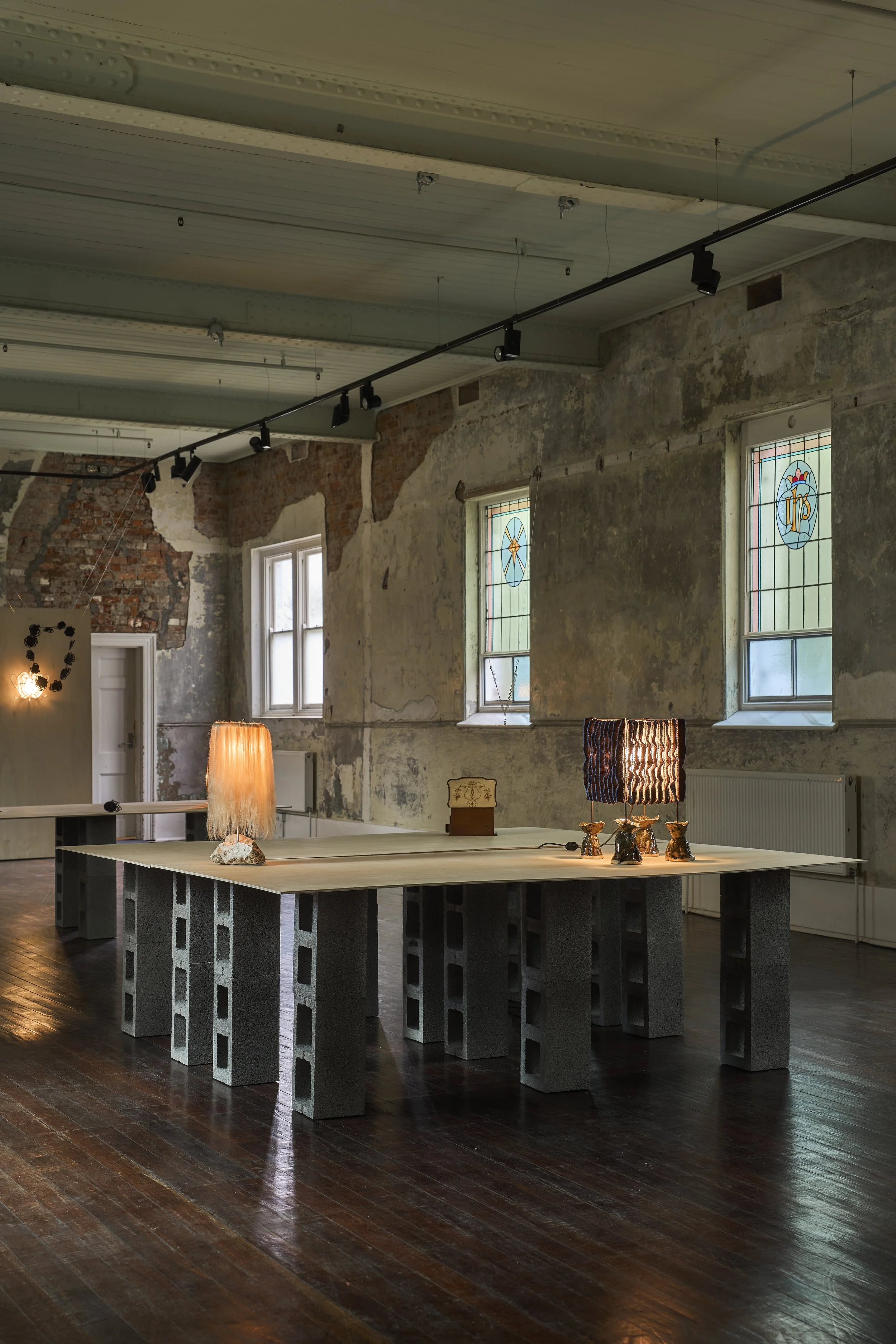
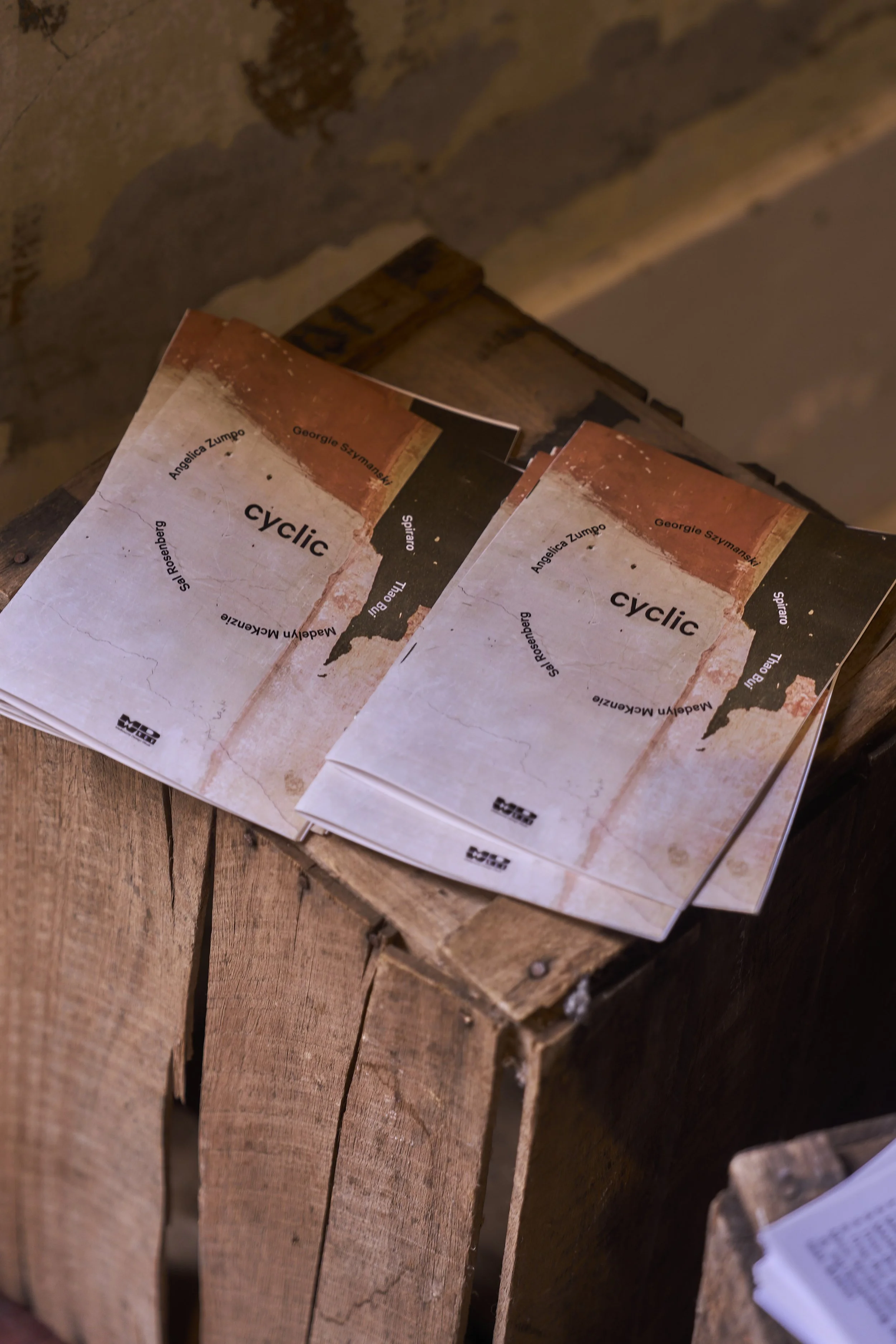
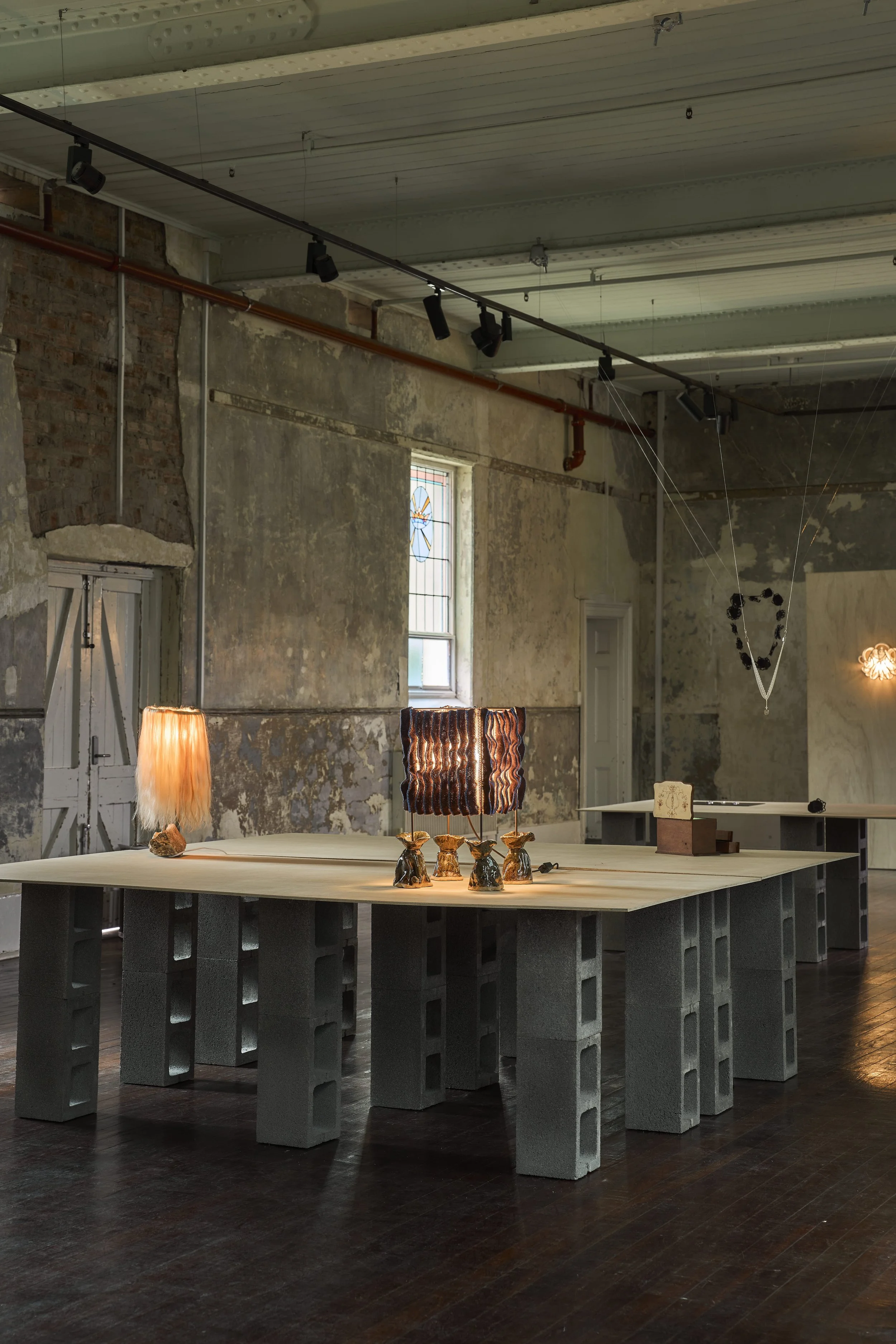
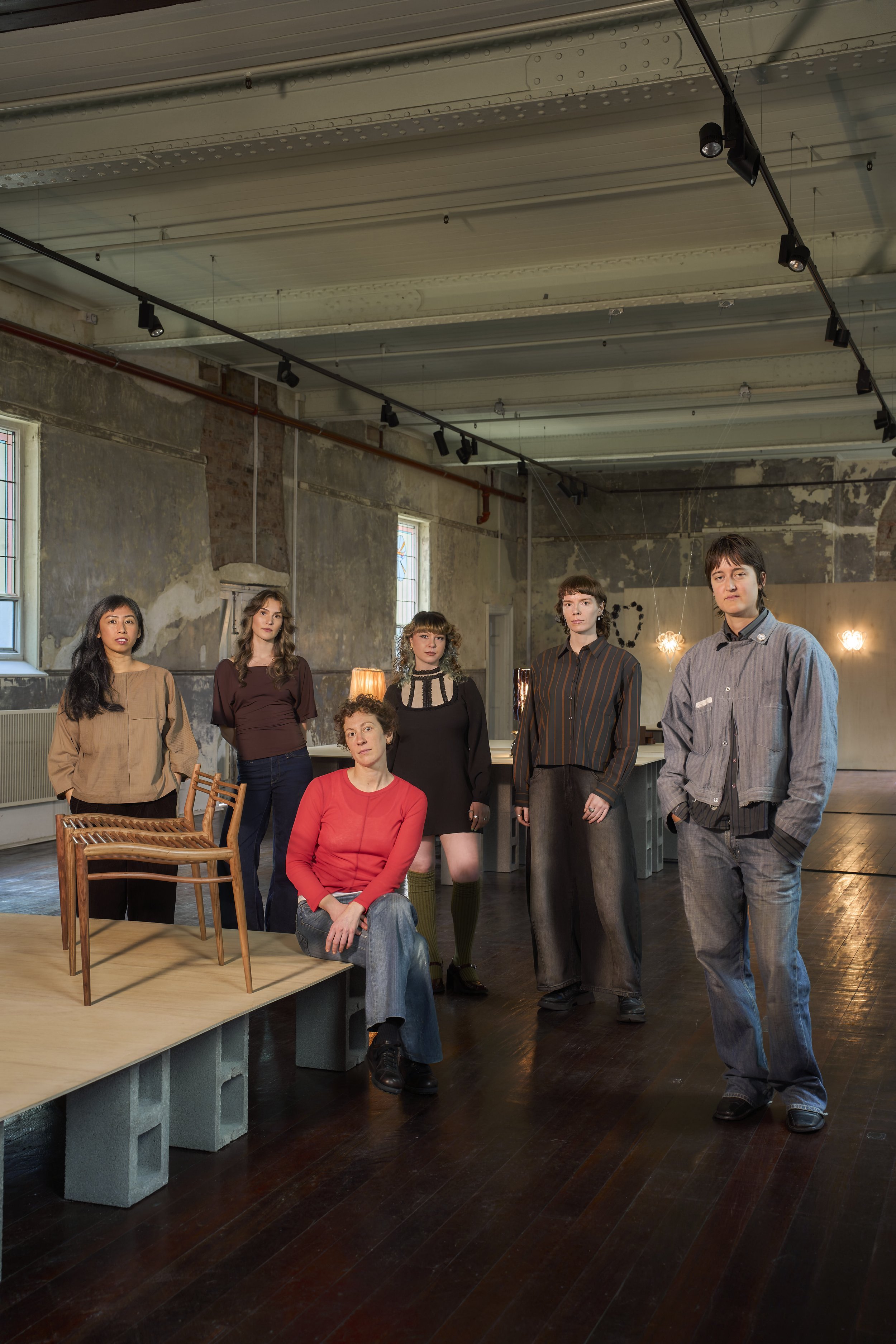
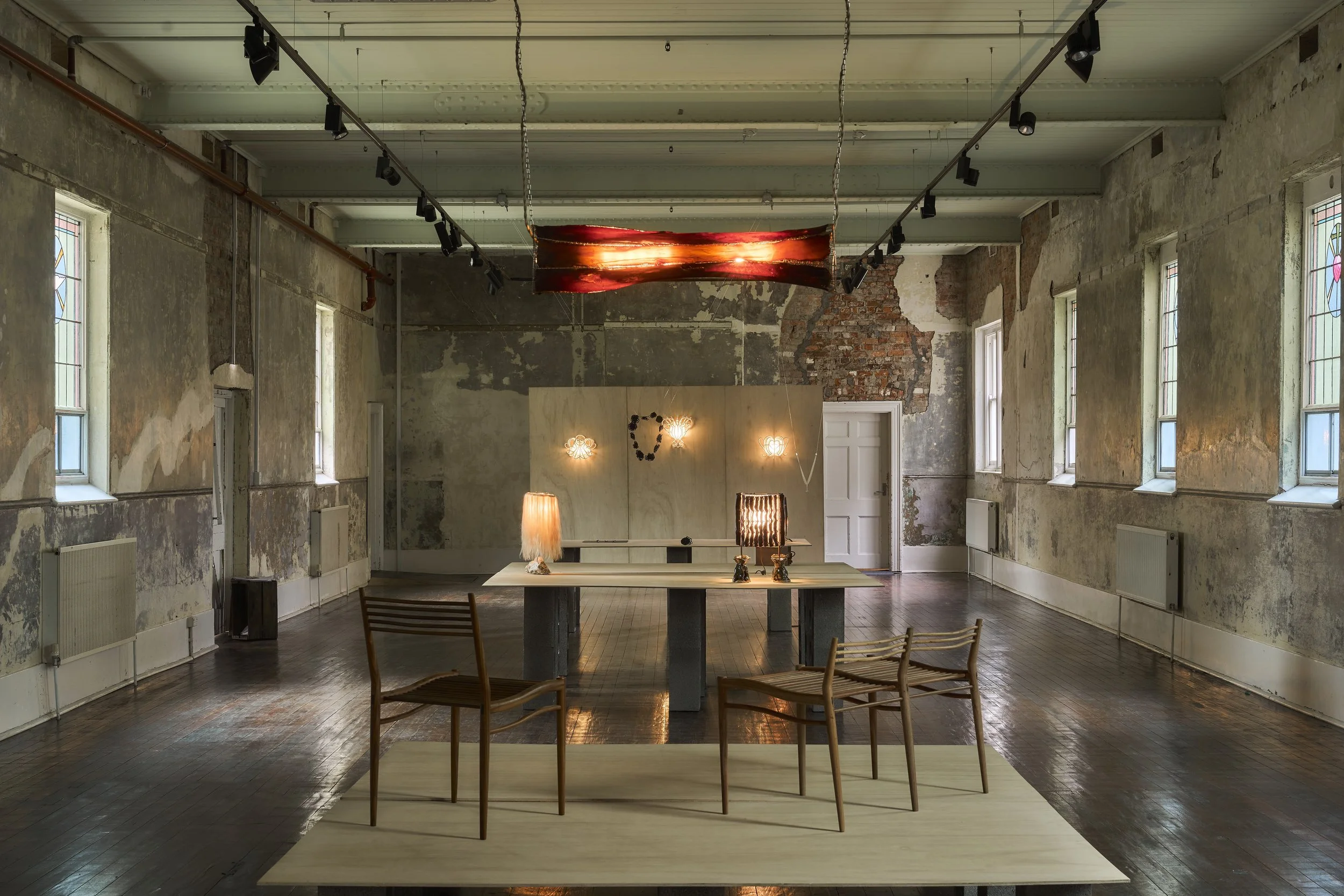
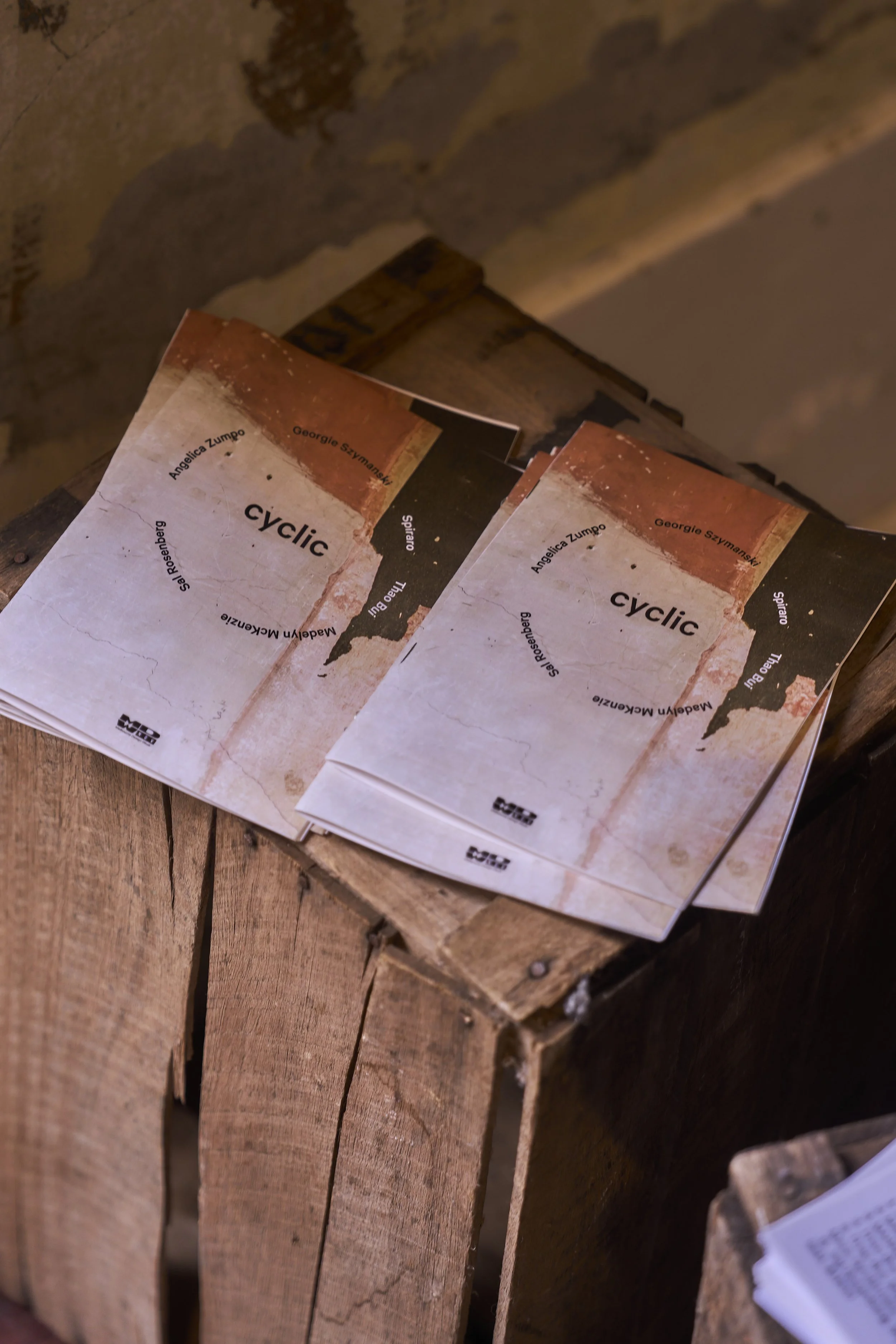
Cyclic was a group exhibition proposed by a collective of craft practitioners from Craft Victoria’s Fresh! Fellowship 2025 cohort for Melbourne Design Week 2026. Exhibited in the Oratory space at Abbotsford Convent, seven artists —working across woodworking, metalsmithing, textiles, bio-materials, lighting, glass, and ceramics—explored the tensions between making and unmaking, growth and decay, creation and renewal.
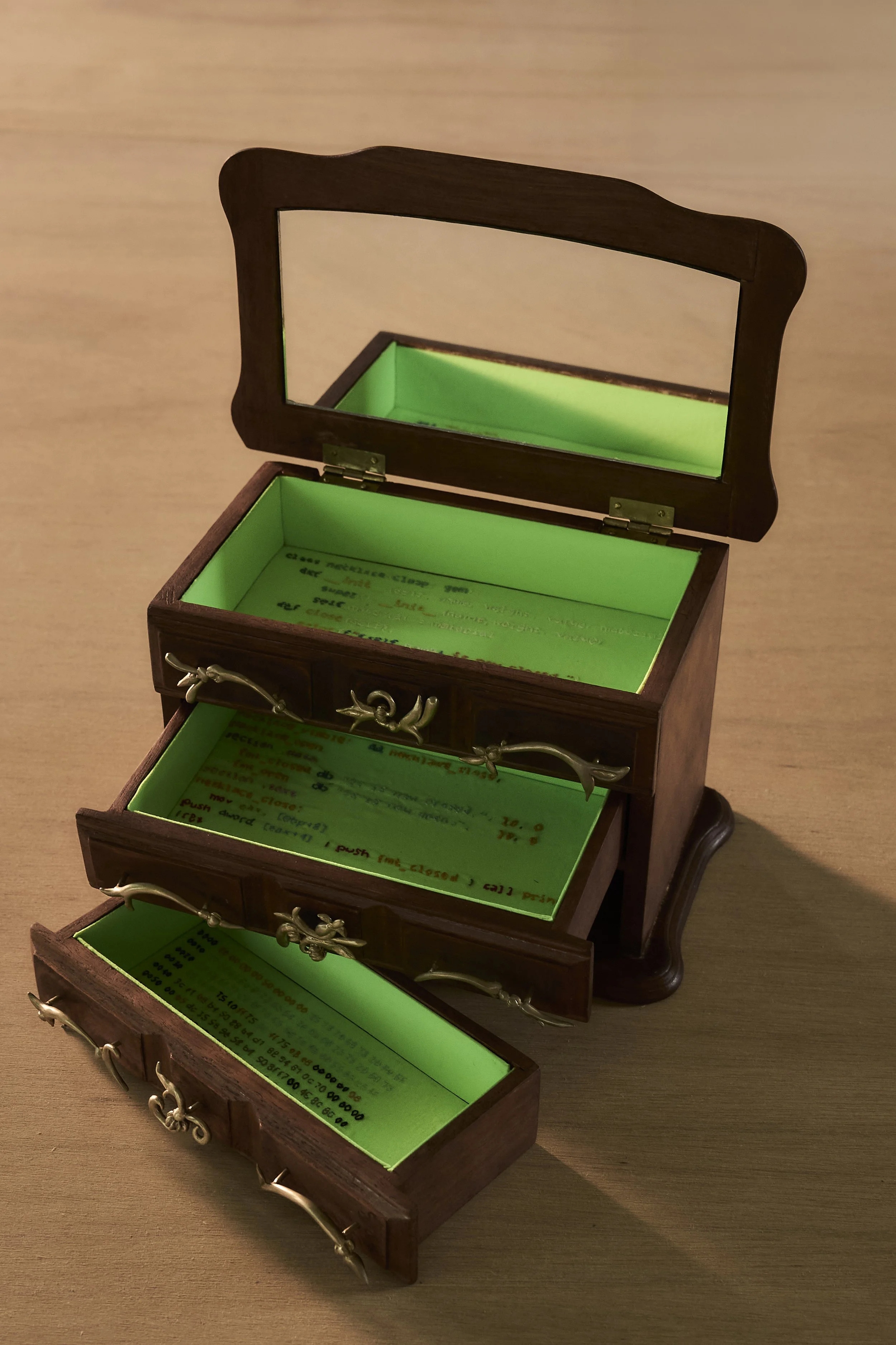
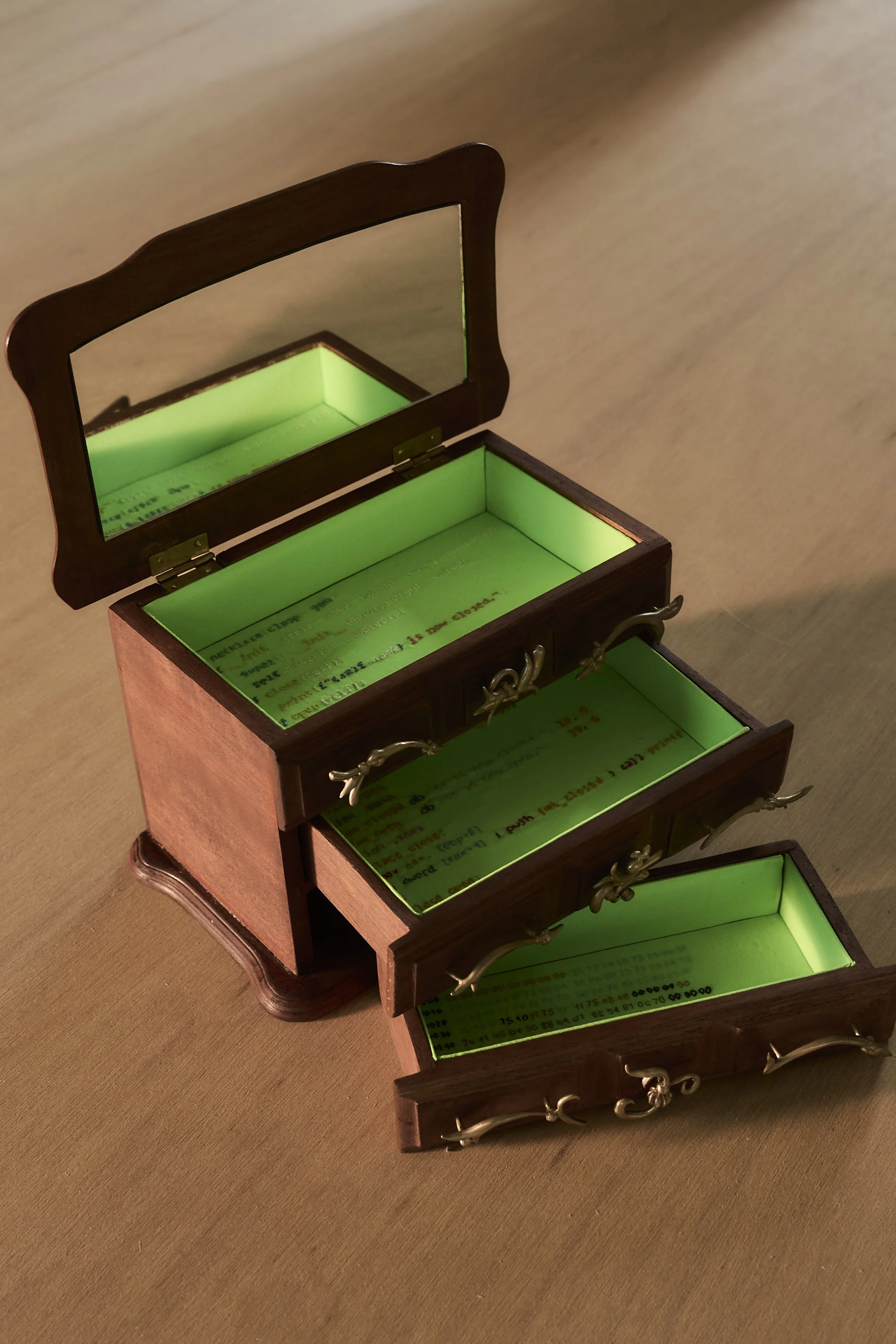
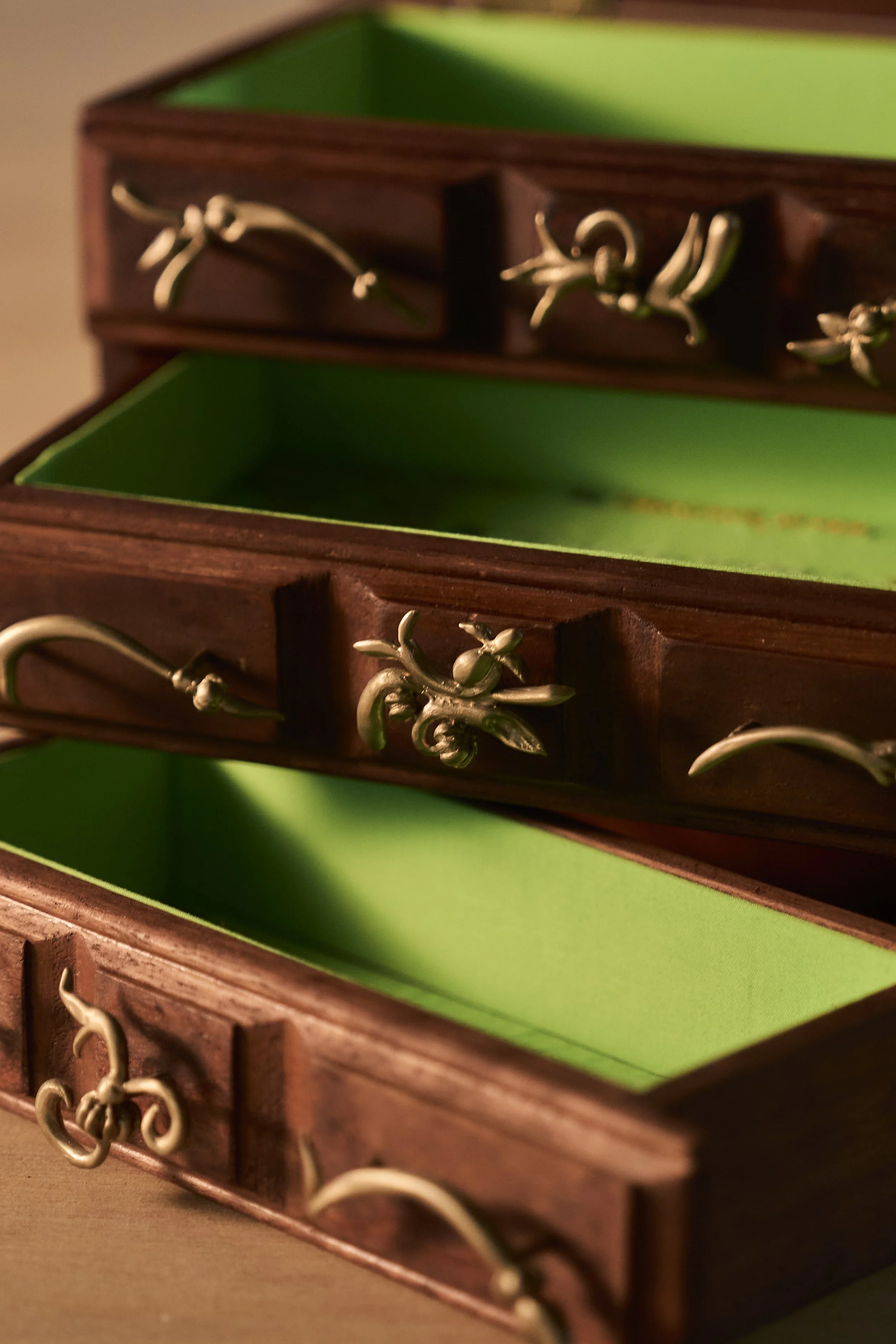
‘Core-Core-Core-Core’ 2026, found objects, wood, brass, fabric, cotton thread, oil paint, 235x135x145mm, photography by Claire Armstrong 2026
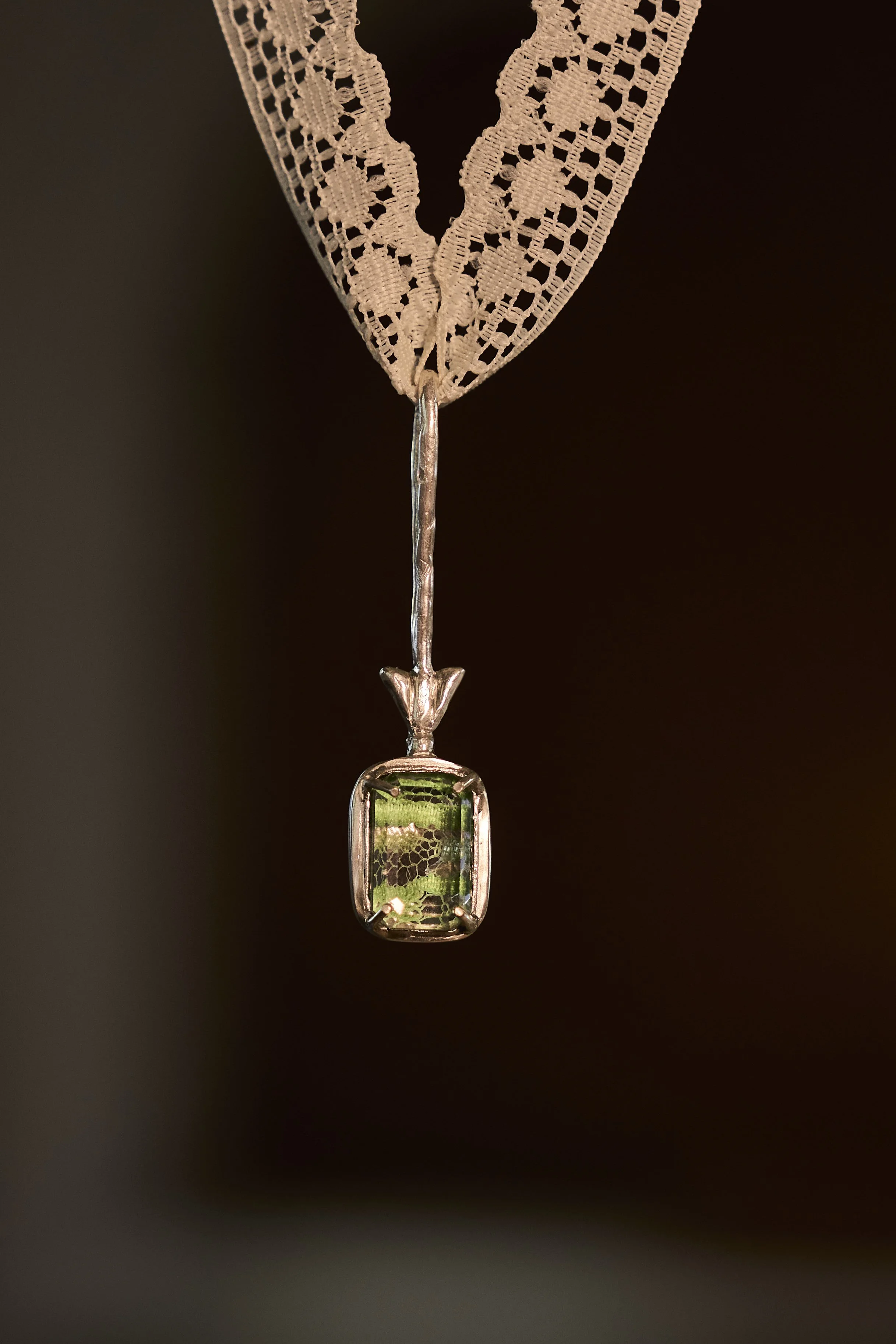
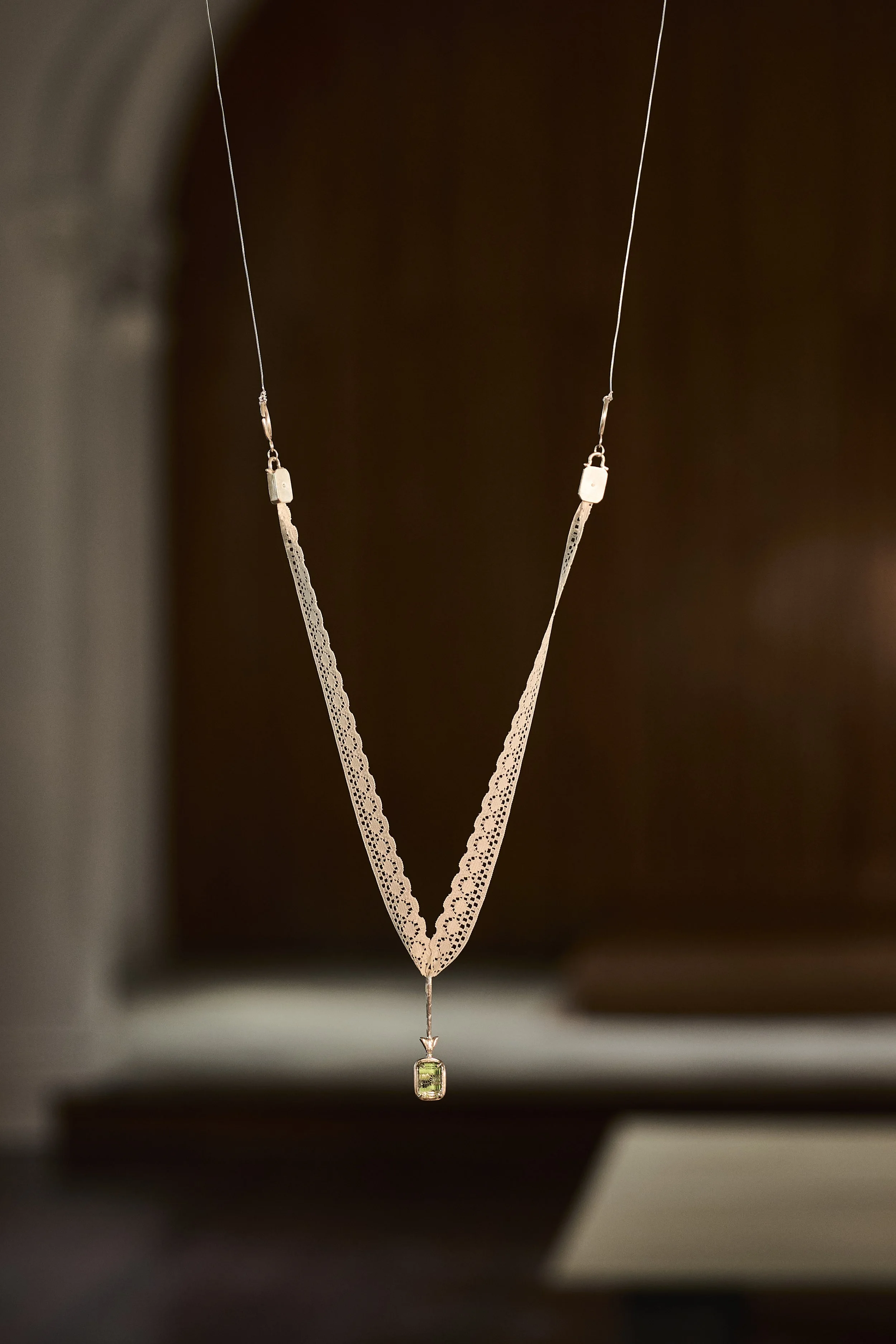
‘necklace_vtable’ 2026, sterling silver, quartz, lace, 100x280x10mm, photography by Claire Armstrong 2026
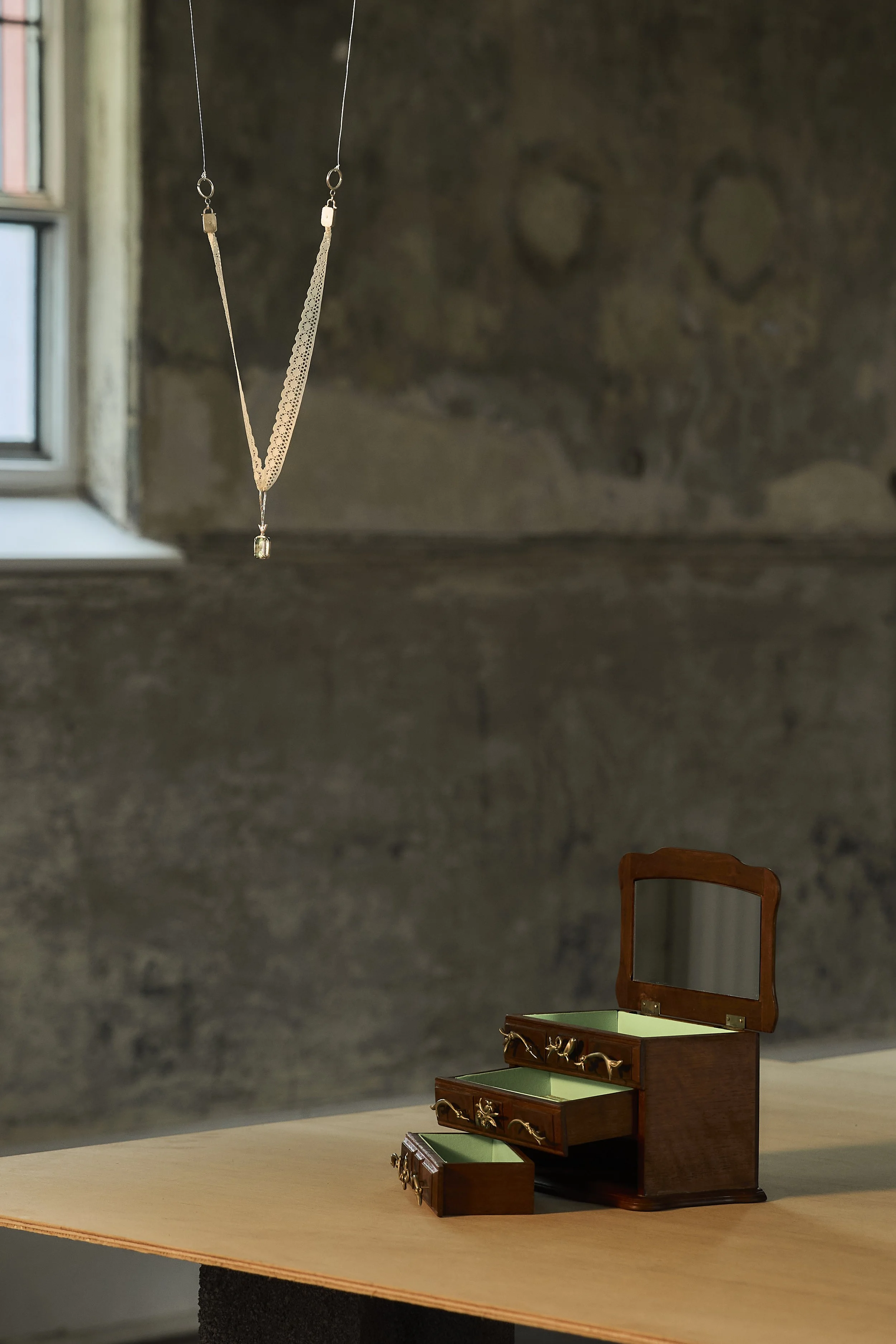
“Core-Core-Core-Core” explores obfuscation, encryption, and the hidden systems that shape contemporary life through code embroidered into fabric. By combining traditional craft processes with programming languages, the piece creates a tension between human and machine, old and new, tactile craft and invisible digital structures. Embroidery becomes a way of translating code into something physical, using human hands to reproduce a language primarily designed for computers. The found jewellery box has been transformed through the remaking of its hinges and drawer handles, repurposing old materials and reflecting the exhibition’s cyclic theme in both material and concept. This sense of reuse and transformation continues in the suspended necklace, which is also constructed from found and repurposed fabric.
Each drawer contains a different level of code, progressing from high-level to low-level programming languages. As the code becomes increasingly unreadable, the work reflects on how information can be concealed, encrypted, or inaccessible to human understanding while remaining legible to machines. Hidden messages are embedded within the code itself, encoding meanings and emotions that are difficult to express directly through words.
The work also examines how contemporary culture continually repackages the past as something new, echoing the cyclical structures of code and the aesthetics of “nostalgia core.” By presenting an exterior that contrasts with its interior, the piece intentionally misleads the viewer, challenging assumptions about perception and meaning. Ultimately, the work reflects the experience of feeling misunderstood and the limits of how deeply others choose to interpret us.